What Is a Dump Semi Trailer and How Does Hydraulic Tipping Work?
March 25, 2026
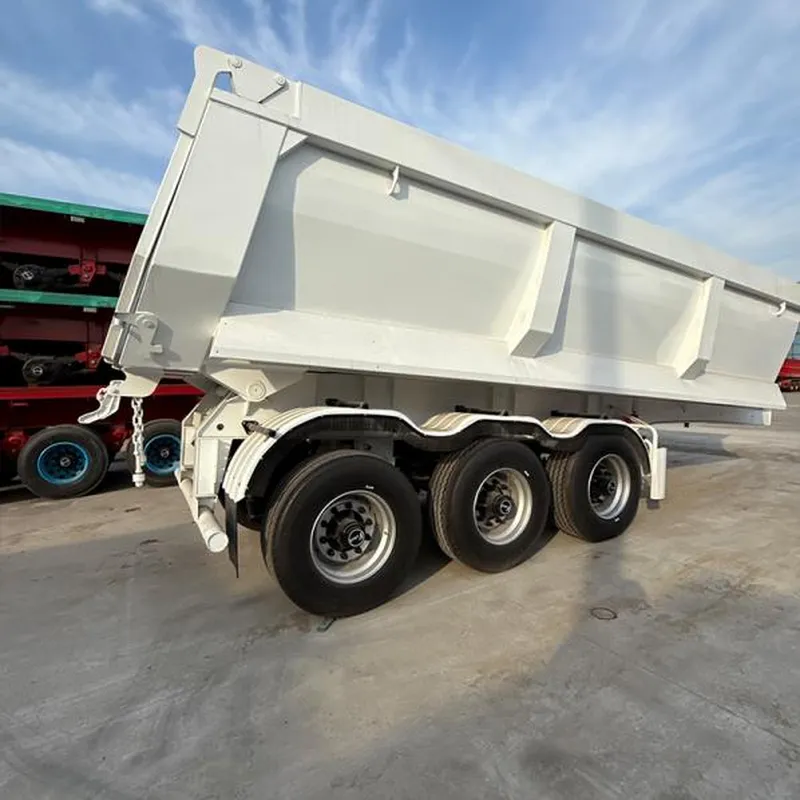
A dump semi trailer (commonly known as a tipper trailer) is a critical asset for industries that move large volumes of loose material. By leveraging high-pressure hydraulic systems, these trailers can unload dozens of tons of cargo in under a minute, making them indispensable for construction, mining, and large-scale agriculture.

How Does a Tipper Semi Trailer Work?
The core of a tipper semi trailer is the synergy between a high-tensile steel cargo box and a precision hydraulic lifting system.
- Structural Integrity: The chassis features a reinforced I-beam design to prevent twisting or “tweaking” during the dumping process, especially on uneven ground.
- The Dumping Mechanism: Most trailers utilize a front-mounted telescopic hydraulic cylinder. When activated via a Power Take-Off (PTO) from the tractor, the cylinder extends, tilting the box to angles between 45° and 70°.
- The Cargo Body (Dump Body): To handle abrasive loads like jagged rocks or demolition debris, the floor is typically constructed from 8mm high-strength steel, while the side walls average 6mm.
Strategic trailer Applications and Load Capacities
Matching the trailer capacity to the specific material density is key to operational efficiency.
| Industry | Typical Material | Weight Range |
| Construction | Sand, gravel, concrete debris | 25 – 40 Tons |
| Mining | Iron ore, coal, overburden | 40 – 60+ Tons |
| Infrastructure | Road base, fill material, asphalt | 30 – 50 Tons |
| Agriculture | Grain, corn, fertilizer | 20 – 35 Tons |
| Waste Management | Recyclables, demolition waste | 20 – 40 Tons |

Comparing Tipper Configurations
1. By Discharge Method
- Rear Tipper: The most common design. Best for stockpiling and general construction.
- Side Tipper: Dumps laterally. This is the safest option for unstable ground or narrow roadways where a high-lift rear dump might tip over.
- Bottom Dump (Belly Dump): Unloads through the floor while moving. Ideal for “windrowing” material during road construction.
2. By Box Design: Rectangular vs. U-Shape
- Rectangular Box: Provides maximum volume for lighter, square-shaped cargo.
- U-Shaped (Half-Pipe): The curved bottom prevents “sticky” materials like wet clay from getting stuck in the corners. It also lowers the center of gravity, improving stability during transit.
Core Advantages of Hydraulic Tippers
- Unmatched Efficiency: A full 40-ton load can be discharged in roughly 60 seconds, allowing for significantly more “cycles” (trips) per day compared to manual unloading.
- High Payload-to-Weight Ratio: Modern high-tensile steel allows for a lighter tare weight, meaning you can carry more cargo while staying within legal road weight limits.
- Durability: Engineered to withstand the daily impact of excavators dropping heavy loads from height.
Buying Guide: Choosing a Quality Tipper Trailer Manufacturers
When sourcing a tipper trailer, especially from major manufacturing hubs like Shandong, prioritize these benchmarks:
- Steel Grade: Ensure the use of abrasion-resistant steel (such as Hardox or equivalent) for the floor and wear plates.
- Hydraulic Reliability: Look for established cylinder brands (e.g., HYVA) that offer global service networks and consistent pressure ratings.
- Welding Precision: Robotic welding ensures deep, consistent seams that won’t crack under the repeated stress of lifting heavy loads.
- Suspension: Choose mechanical leaf springs for rugged, off-road mine sites, or air suspension for highway-focused aggregate hauling to save on tire wear.
Tipper Trailers Essential Maintenance for Safety
Because tipper trailers operate under high pressure and carry shifting loads, maintenance is a matter of safety:
- Hydraulic Fluid Audit: Check oil levels weekly. Contaminated oil is the #1 cause of pump and cylinder failure.
- Pivot Point Lubrication: Regularly grease the rear hinge pins and cylinder mounts—these points bear the entire weight of the load during a dump.
- Structural Scrutiny: Inspect the “tipping hinge” for any signs of metal fatigue or cracking.
- Tire Pressure: Uneven tire pressure can cause a heavy duty tipper trailer to lean during dumping, which is the leading cause of trailer tip-overs.
Frequently Asked Questions About Dump Semi Trailers
What is the typical capacity of a tipper semi trailer?
Tipper semi trailer capacity ranges from 20 to 100+ tons depending on configuration. Standard three-axle models typically carry 30-50 tons, with common 40-ton designs weighing approximately 7.5 tons empty . Four-axle and multi-axle configurations handle 60-100+ tons for heavy mining applications . Local road weight regulations often determine maximum legal capacity in your operating area.
What materials can tipper trailers transport?
Tipper trailers handle a wide range of loose bulk materials including sand, gravel, crushed stone, ore, coal, demolition debris, grain, feed, fertilizer, and agricultural products . The robust steel construction withstands impacts from loading with excavators or loaders. Different box configurations optimize performance for specific material types—U-shaped boxes work best for sticky materials, while rectangular boxes suit general applications.
How does the hydraulic tipping system work?
The hydraulic system uses a power take-off (PTO) from the tractor to drive a hydraulic pump . High-pressure fluid flows to telescopic cylinders mounted at the front of the box. As the cylinders extend, they lift the box front while the rear pivots on hinges. The box reaches angles of 45-60 degrees, allowing materials to slide out the rear by gravity . Automatic locking valves prevent accidental lowering during maintenance.
What is the difference between rear tipper and side tipper trailers?
Rear tipper trailers lift the front of the box so materials discharge behind the trailer . This simple, reliable design works well for most applications where space permits rear unloading. Side tipper trailers use multiple hydraulic cylinders to tilt the box sideways, dumping materials laterally . Side tippers maintain better stability on uneven ground and work well along roadways or in confined spaces. Choose rear tippers for general use; side tippers for specialized applications requiring lateral discharge.
What safety features should a dump semi trailer have?
Essential safety features include automatic locking valves preventing accidental box lowering , ground-outrigger stabilizers preventing tipping during unloading , LED strobe lights for worksite visibility , and properly rated tie-down points for load securement. Emergency stop controls should be accessible from outside the cab. Regular inspection of these safety systems ensures continued protection.
How do I choose between steel and aluminum construction?
Steel tipper trailers offer superior durability and impact resistance at lower initial cost . High-strength steel with floor thickness of 8mm withstands loading impacts from heavy materials. Steel suits demanding applications like mining, quarry work, and construction. Aluminum trailers weigh significantly less, allowing higher payloads, but cost more initially and prove less durable for abrasive materials. Aluminum works best for lighter-duty applications or when maximum payload is critical.
What is a U-shaped tipper trailer?
A U-shaped tipper trailer features curved side walls that improve material flow and reduce sticking . The smooth interior surfaces allow sticky materials like wet clay to discharge completely without hanging up. U-shaped designs also provide better structural strength with less weight compared to rectangular boxes. These trailers excel for cohesive materials that tend to stick in conventional boxes.
How long do tipper trailers last?
With proper maintenance, a quality tipper trailer lasts 15-20 years or more. High-strength steel construction and corrosion protection provide long-term structural integrity . The hydraulic system typically requires component replacement every 5-8 years depending on usage intensity. Regular inspection and timely repairs significantly extend overall trailer life. Mining tipper trailer operations with severe duty cycles may experience shorter service life than construction applications.
Can I customize a tipper trailer for my specific needs?
Yes. Reputable manufacturers offer extensive customization including box dimensions (length, width, height), floor thickness (6-12mm), side wall thickness (4-6mm), axle count (2-5 axles), hydraulic cylinder specifications, and suspension type (mechanical or air) . Box shape options include rectangular or U-shaped designs. Tailgate configurations range from standard swing gates to hydraulic barn doors. Paint color and branding elements complete the customization.
What maintenance does a tipper trailer require?
Daily inspections check hydraulic systems for leaks, box condition, and tire pressure . Regular cleaning prevents material buildup that damages components. Hydraulic fluid and filter changes follow manufacturer schedules. Monthly structural inspections look for cracks, corrosion, or deformation in the box, frame, and suspension components. Brake systems require periodic adjustment and lining replacement. Following manufacturer maintenance schedules ensures safety and extends equipment life.
Looking for quality tipper trailers for sale? Contact Shandong Global Diamond Automobile Technology Co., Ltd. today for professional guidance and competitive pricing on new and reconditioned dump semi trailers ready for worldwide delivery. Our team helps you select the right configuration for your specific bulk material transport needs.