What Is a Backhoe Loader and How Does It Improve Construction Site Efficiency?
April 14, 2026
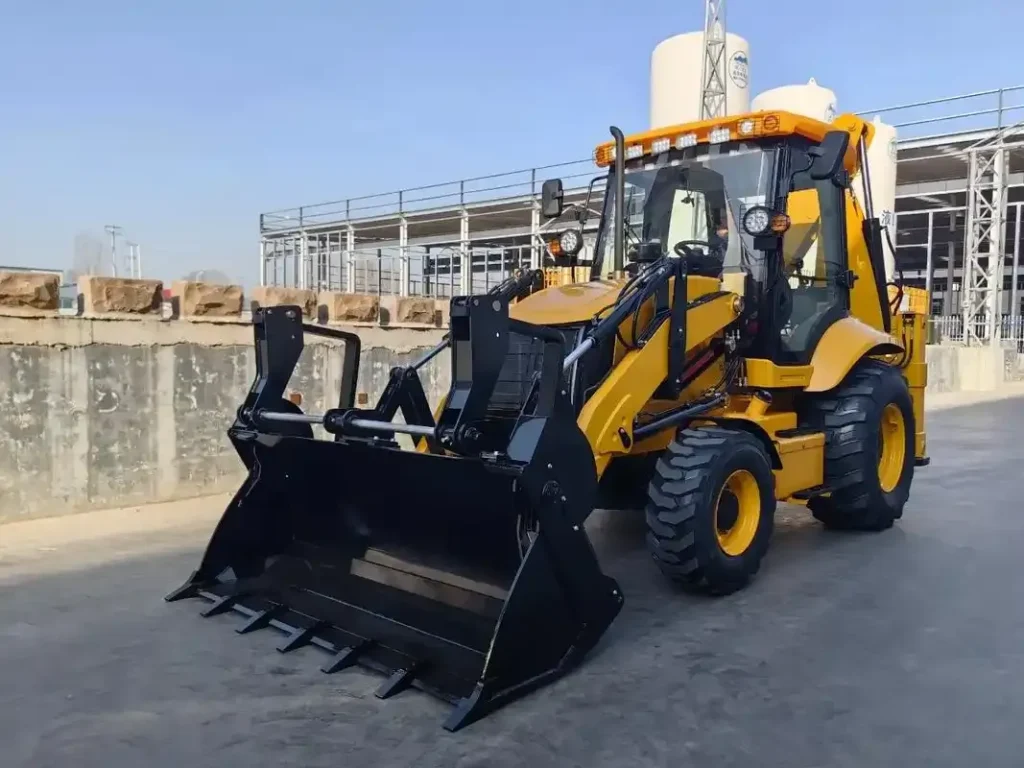
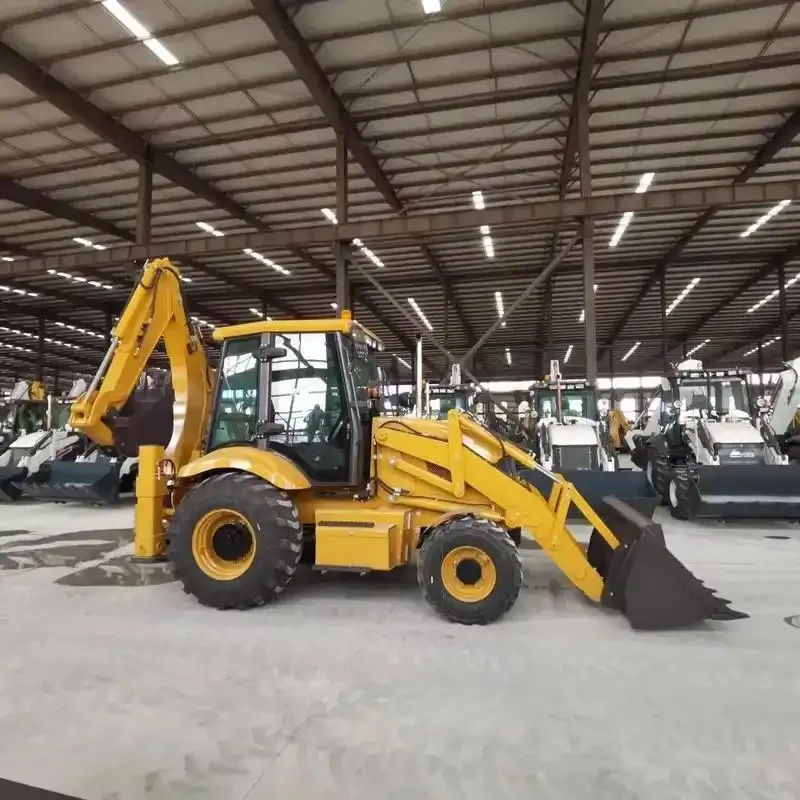
A backhoe loader combines a front loader and rear excavator in one compact machine. It digs trenches with the backhoe arm and loads materials with the front bucket. This dual-purpose design eliminates the need for two separate machines.
Construction backhoe units handle diverse tasks from foundation digging to material handling. Operators switch between functions without moving between different equipment. This versatility makes them invaluable on crowded job sites.
Loader backhoe configurations feature powerful hydraulic systems that deliver strong digging and lifting force. The machine works effectively in urban construction, rural roads, farms, and confined spaces. Its compact dimensions allow access where larger excavators cannot go.

What Is a Backhoe Loader and How Does It Work?
A backhoe loader integrates two essential construction functions into one machine. The front loader bucket handles loading, lifting, and moving materials like soil, gravel, and sand. The rear backhoe arm performs digging, trenching, and foundation work.
The operator controls both functions from a single cab. A rotating seat allows quick switching between front and rear operations. This design eliminates the need to reposition the machine between tasks.
The backhoe loader uses a powerful hydraulic system that powers both the loader and backhoe functions. The system delivers consistent power output even during prolonged use. Operators enjoy smooth control for both digging and loading operations.
Backhoe loaders for sale typically feature four-wheel drive for excellent traction. The articulated steering provides tight turning radius for maneuverability in confined spaces. This mobility proves essential on crowded construction sites.

What Are Backhoe Loaders Used For?
Construction projects rely on backhoe loaders for countless applications. The rear backhoe digs trenches for utilities, foundations for buildings, and drainage channels. The front loader moves excavated material to trucks or stockpiles.
Municipal engineering crews use backhoe loaders for road repairs, water line installations, and sewer maintenance. The machine’s compact size allows work in developed areas with limited space. One operator handles both digging and loading without additional equipment.
Agricultural operations benefit from backhoe loader versatility. Farmers use the backhoe for drainage ditch maintenance and fence post installation. The front loader handles feed, manure, and other materials around the farm.
Compact backhoe loader models excel in landscaping applications. They dig ponds, move soil, and place large rocks for garden features. The maneuverable design protects existing landscaping while working.
| Application | Function | Benefit |
| Trenching | Rear backhoe | Precise depth control |
| Material loading | Front loader | Fast cycle times |
| Foundation digging | Rear backhoe | Accurate positioning |
| Site cleanup | Front loader | Single machine efficiency |
| Utility work | Both functions | Complete operation |
What Are the Key Advantages of Backhoe Loaders?
Backhoe loader units offer significant cost savings compared to owning separate machines. A single backhoe loader costs less than purchasing a standalone excavator plus a wheel loader. Maintenance and storage costs also decrease with one machine.
The backhoe loader design allows one operator to perform multiple tasks. Switching between loader and backhoe functions takes seconds from the rotating seat. This efficiency reduces labor requirements on job sites.
Modern hydraulic backhoe systems provide smooth, precise control for delicate operations. Operators can dig alongside existing foundations without causing damage. The fine control also allows accurate grading and leveling work.
Backhoe loader maneuverability proves essential in urban environments. The compact dimensions allow work between buildings and in congested areas. The tight turning radius makes positioning easy on restricted job sites.
| Advantage | Benefit |
| Cost savings | One machine replaces two |
| Operator efficiency | No repositioning between tasks |
| Versatility | Handles multiple applications |
| Maneuverability | Works in confined spaces |
| Attachment ready | Expands capabilities |
What Attachments Work with Backhoe Loaders?
Backhoe loaders accept numerous attachments that expand their capabilities. Hydraulic breakers replace the backhoe bucket for demolition work. They break concrete, rock, and asphalt efficiently.
Auger attachments drill holes for fence posts, sign foundations, and utility poles. The hydraulic system provides consistent torque for drilling in various soil conditions. Operators switch between auger and bucket as needed.
Grapple attachments handle irregular materials like logs, brush, and demolition debris. They provide secure grip for moving materials that buckets cannot contain. The attachment proves valuable for landscaping and cleanup work.
Fork attachments convert the front loader into a forklift for pallet handling. This capability proves useful on job sites requiring material storage and organization. Quick couplers allow fast attachment changes throughout the workday.

How to Choose the Right Backhoe Loader for Your Needs?
Consider the typical digging depth and reach requirements for your projects. Standard backhoe loaders dig depths from 12 to 18 feet. Larger models offer greater reach for deeper trenches and taller stockpiles.
Evaluate the loader bucket capacity for your material handling needs. Backhoe loader front buckets typically hold 1.0 to 1.5 cubic yards. Choose larger capacity for high-volume material movement.
Check the machine’s operating weight and transportability. Backhoe loaders typically weigh 15,000 to 20,000 pounds. Verify that your transport equipment can handle the weight for moves between job sites.
Consider the cab features for operator comfort during long shifts. Air conditioning, adjustable seats, and ergonomic controls reduce fatigue. A comfortable operator maintains higher productivity throughout the day.
How to Maintain Your Backhoe Loader Properly?
Perform daily inspections before each shift. Check hydraulic fluid levels and look for leaks in hoses and fittings. Inspect the bucket teeth and cutting edges for wear. Grease all pivot points according to the manufacturer’s schedule.
Follow scheduled maintenance intervals for engine oil, hydraulic fluid, and filter changes. Use recommended lubricants and replacement parts to maintain warranty coverage. Keep detailed service records documenting all maintenance performed.
Inspect the tires or stabilizer pads for damage regularly. Backhoe loaders working on rough terrain require more frequent tire checks. Replace worn tires before they compromise stability during operation.
Check the backhoe boom and loader arm pivot points for wear. Excessive play in these components affects digging accuracy and safety. Repair or replace worn pins and bushings promptly.
Frequently Asked Questions About Backhoe Loaders
What is a backhoe loader?
A backhoe loader is a versatile construction machine with a front loader bucket and rear backhoe arm on one compact chassis. It combines material handling and excavation capabilities in a single unit. Operators can dig trenches, load materials, and perform grading without changing equipment.
What is the difference between a backhoe loader and an excavator?
A backhoe loader combines both loading and digging functions in one machine. It features a front bucket for material handling and a rear backhoe for digging. An excavator focuses solely on digging and lifting with a rotating cab and long arm. Backhoe loaders offer greater versatility; excavators provide deeper reach and higher lifting capacity.
How deep can a backhoe loader dig?
Standard backhoe loaders dig depths from 12 to 18 feet depending on the model. The digging depth varies with backhoe arm length and configuration. Some models offer extendable dipper arms for greater reach. Check the manufacturer specifications for exact depth capabilities.
What attachments are available for backhoe loaders?
Backhoe loader attachments include hydraulic breakers for demolition, augers for drilling, grapples for handling irregular materials, and forks for pallet work. Quick coupler systems allow fast attachment changes. These attachments expand the machine’s versatility across multiple applications.
How much does a backhoe loader cost?
Backhoe loader prices vary based on size, brand, age, and condition. New units range from $60,000 to $120,000 depending on features and capacity. Used models typically cost 40 to 60 percent less than new equipment. Compact models with fewer features cost less than full-size units.
What should I look for when buying a used backhoe loader?
When considering used backhoe loaders for sale, inspect the machine thoroughly. Check hydraulic systems for leaks and smooth operation. Look for wear on bucket teeth, cutting edges, and stabilizer pads. Verify engine performance and transmission function. Request maintenance records and consider professional inspection before purchase.

Looking for quality backhoe loaders for sale? Contact Shandong Global Diamond Automobile Technology Co., Ltd. today for professional guidance and competitive pricing on new and used backhoe loaders ready for worldwide delivery. Our team helps you select the right configuration for your construction, agricultural, or municipal engineering projects.