What Are Cryogenic Road Tankers and How Do They Transport Liquid Oxygen Safely?
March 31, 2026
Cryogenic road tankers transport liquefied gases like oxygen, nitrogen, and LNG at extremely low temperatures. These specialized vehicles use vacuum insulation to keep products cold during transit. They move vital industrial and medical gases safely across highways and remote locations.
Liquid oxygen trailer feature double-walled stainless steel construction with high-performance vacuum insulation between layers. This design prevents heat transfer and maintains temperatures below -183°C for oxygen transport. The inner vessel holds the cryogenic liquid while the outer shell provides structural protection.
These cryogenic tank trailers meet strict safety standards including ASME, CE, and regional dangerous goods codes. Professional operators rely on them for medical oxygen delivery, industrial gas supply, and LNG distribution networks.
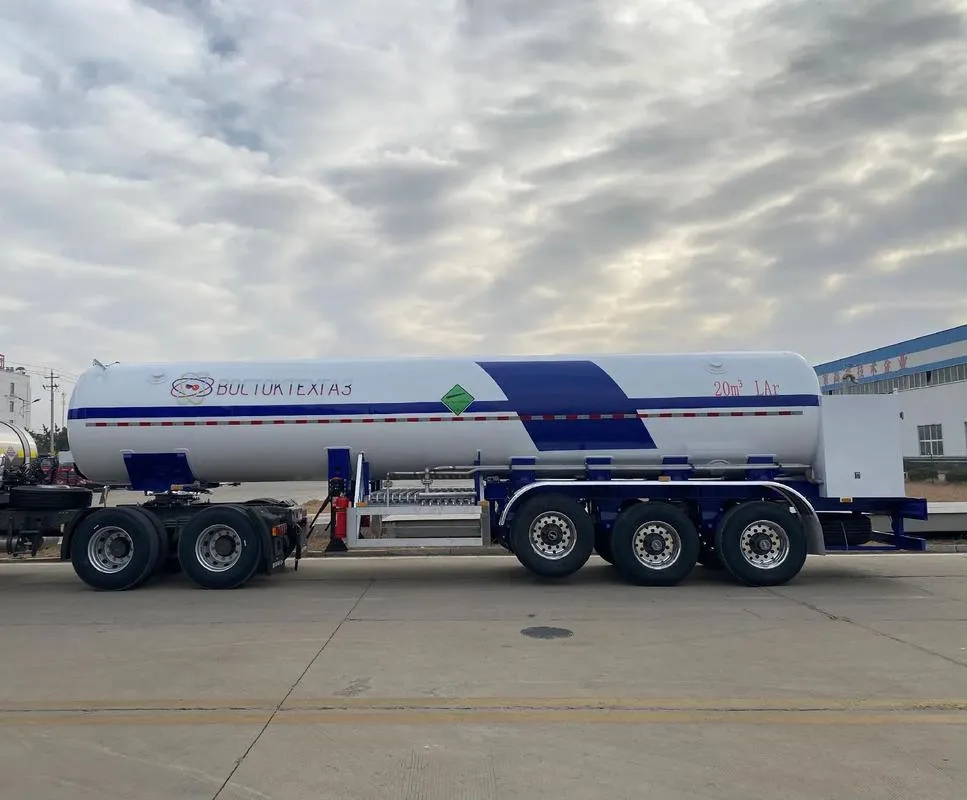
What Is a Cryogenic Tank Trailer and How Does It Work?
A cryogenic tank trailer is a specialized semi-trailer that transports liquefied gases at temperatures below -150°C. The tank features a double-wall construction with vacuum insulation between the inner and outer vessels. This design minimizes heat transfer and keeps the product cold for extended periods.
The inner vessel uses stainless steel that withstands extreme low temperatures without becoming brittle. The outer shell typically uses carbon steel or aluminum for structural strength and impact protection. Multiple layers of super-insulation between the walls further reduce heat gain.
Liquid oxygen tanker units include pressure control systems that manage internal pressure during filling, transport, and unloading. Relief valves release excess pressure automatically to maintain safe operating conditions. The pumping arrangement allows efficient transfer of liquid product at delivery points.
Modern cryogenic trailer manufacturer designs incorporate lightweight materials that increase payload capacity. Some models achieve 10-20% higher payload through optimized structural design and advanced insulation systems.

What Are Cryogenic Road Tankers Used For?
- Liquid oxygen trailers serve critical medical applications in hospitals and healthcare facilities. Medical oxygen requires reliable delivery systems that maintain product purity and temperature throughout transport. These tankers supply oxygen to healthcare systems across urban and rural areas.
- LOX tanker trailers support industrial gas markets for manufacturing and processing industries. Metal fabrication, chemical processing, and electronics manufacturing depend on consistent oxygen, nitrogen, and argon supply. Industrial gases enable welding, cutting, and inert atmosphere applications.
- LNG cryogenic trailers transport liquefied natural gas to remote power generation facilities and industrial users. Natural gas reaches areas beyond pipeline networks through cryogenic transport systems. These vehicles enable cleaner energy access across developing regions.
- Cryogenic oxygen trailers deliver oxygen for aerospace and defense applications. Rocket propulsion systems and high-altitude operations require specialized oxygen supply chains. The same technology supports research laboratories and scientific facilities worldwide.
- Industrial gas trailer transport nitrogen for food freezing and preservation applications. Liquid nitrogen also supports cryogenic freezing in the food processing industry. Pharmaceutical manufacturing depends on these vehicles for temperature-sensitive ingredient transport.
| Industry | Product | Application |
| Medical | Liquid Oxygen | Liquid Oxygen |
| Industrial | Nitrogen, Argon | Metal fabrication, welding |
| Energy | LNG | Remote power generation |
| Food | Liquid Nitrogen | Freezing, preservation |
| Aerospace | Liquid Oxygen | Rocket propulsion |
What Design Features Make Cryogenic Trailers Safe and Reliable?
Cryogenic road tankers incorporate vacuum insulation as their primary temperature control mechanism. High-performance vacuum between inner and outer vessels prevents heat transfer that would cause product boil-off. Multi-layer insulation further reduces thermal conductivity to near-zero levels.
The liquid oxygen trailer structure uses stainless steel inner vessels that maintain integrity at cryogenic temperatures. This material resists embrittlement and maintains strength below -183°C. Outer shells of aluminum or carbon steel provide impact protection and structural support.
Pressure management systems form a critical safety component for oxygen transport trailers. Pressure relief valves automatically release excess pressure if internal pressure exceeds safe limits. These valves prevent vessel rupture and maintain safe operating conditions throughout the journey.
Loading and unloading systems feature ergonomic designs that simplify operator tasks. Pumping arrangements with vacuum-jacketed transfer lines minimize product loss during transfer. Control cabinets provide easy access to valves, gauges, and monitoring equipment.
Modern cryogenic tanker designs focus on payload optimization through lightweight materials. Advanced insulation systems reduce overall weight while maintaining thermal performance. This approach allows operators to transport more product per trip, improving operational efficiency.

What Safety Standards Govern Cryogenic Tank Transport?
Cryogenic trailer manufacturer facilities must comply with international pressure vessel codes. ASME Boiler and Pressure Vessel Code provides design and construction standards for North American markets. European operators require CE certification and compliance with PED (Pressure Equipment Directive).
Regional dangerous goods codes establish transport requirements for liquid oxygen tanker operations. The Australian Dangerous Goods Code and AS2809 standards govern cryogenic transport in Australia and New Zealand. Similar regulations apply across global markets with regional variations.
Vehicle operators must complete specialized training for industrial gas trailer handling. Training covers emergency response procedures, product properties, and equipment operation. Certification requirements vary by jurisdiction but emphasize safety and proper handling.
Regular inspection and testing ensure continued safe operation of cryogenic tank trailers. Pressure testing verifies vessel integrity at specified intervals. Vacuum integrity testing confirms insulation performance remains within acceptable parameters.
How Do You Maintain a Cryogenic Road Tanker Properly?
Daily pre-trip inspections should verify all valves, gauges, and pressure relief devices function correctly. Operators must check for visible damage to the outer shell and insulation system. Tire pressure, brake function, and lighting systems require verification before each journey.
Vacuum integrity testing should occur at scheduled intervals to confirm insulation performance. A vacuum gauge reading outside acceptable parameters indicates insulation system compromise. Professional service centers perform this testing with specialized equipment.
Pressure relief valves require periodic testing and replacement according to manufacturer schedules. These safety devices must activate at specified pressure levels without fail. Certified technicians should handle all pressure system maintenance.
Transfer hoses and couplings need regular inspection for wear, damage, or leakage. Cryogenic temperatures cause materials to become brittle over time. Replace any components showing signs of degradation immediately.
Annual comprehensive inspections by certified cryogenic equipment specialists ensure continued safe operation. These professionals verify structural integrity, vacuum performance, and pressure system function. Documentation of all inspections and maintenance supports regulatory compliance.
Frequently Asked Questions About Cryogenic Road Tankers
What is a cryogenic road tanker?
A cryogenic road tanker is a specialized vehicle that transports liquefied gases at extremely low temperatures. These tankers feature double-wall construction with vacuum insulation between the inner and outer shells. They move liquid oxygen, nitrogen, argon, LNG, and other cryogenic products safely across highways.
What temperatures do cryogenic tankers maintain?
Liquid oxygen trailers maintain temperatures below -183°C during transport. LNG cryogenic trailers keep natural gas liquid at approximately -162°C. The vacuum insulation system minimizes heat transfer and keeps products at these extreme temperatures for extended periods.
How long can a cryogenic trailer hold liquid product?
Hold time varies based on tank design, insulation quality, and ambient conditions. Modern cryogenic tank trailers typically maintain product for 7 to 14 days without refrigeration. Vacuum insulation with multi-layer super-insulation maximizes hold time for long-distance transport.
What safety features protect cryogenic tankers?
Cryogenic oxygen trailers include pressure relief valves that prevent over-pressurization. Vacuum monitoring systems alert operators to insulation compromise. Emergency shut-off valves allow remote flow control during incidents. All components meet strict ASME, CE, and regional safety standards.
What products do cryogenic road tankers transport?
These specialized vehicles transport liquid oxygen, liquid nitrogen, liquid argon, LNG (liquefied natural gas), liquid hydrogen, and liquid carbon dioxide. Industrial gas trailers also carry ethylene and helium for various industrial, medical, and scientific applications.
Who manufactures cryogenic road tankers?
Leading cryogenic trailer manufacturer companies include Chart Industries, CRYOLOR, INOXCVA, Polar Tank Trailer, and Van Hool. These manufacturers produce trailers with best-in-class vacuum performance, ergonomic designs, and payload optimization features.
What regulations apply to cryogenic transport?
LOX tanker trailers must comply with ASME or CE pressure vessel codes. Regional dangerous goods regulations including ADR (Europe), DOT (US), and the Australian Dangerous Goods Code apply. Operators must maintain certification and follow established transport protocols.
How do you load a cryogenic tanker?
Loading occurs at specialized facilities with cryogenic transfer systems. Operators connect vacuum-jacketed transfer lines to the tanker’s filling connections. The process transfers liquid product while managing pressure and preventing contamination. Trained personnel supervise all loading operations.
Looking for quality cryogenic road tankers for sale? Contact Shandong Global Diamond Automobile Technology Co., Ltd. today for professional guidance and competitive pricing on cryogenic tank trailers ready for worldwide delivery. Our team helps you select the right configuration for your specific liquid oxygen, LNG, or industrial gas transport needs.