How Many Gallons Does a Tank Truck Hold
March 4, 2026
Fueling Efficiency: A Comprehensive Guide to Tank Truck Capacity
Tank truck capacity is not a one-size-fits-all specification. It is a strategic variable determined by vehicle design, axle configuration, and regional weight regulations. Generally, a standard fuel tank truck for fuel transport holds between 2,000 and 11,600 gallons, though industrial models can vary significantly.
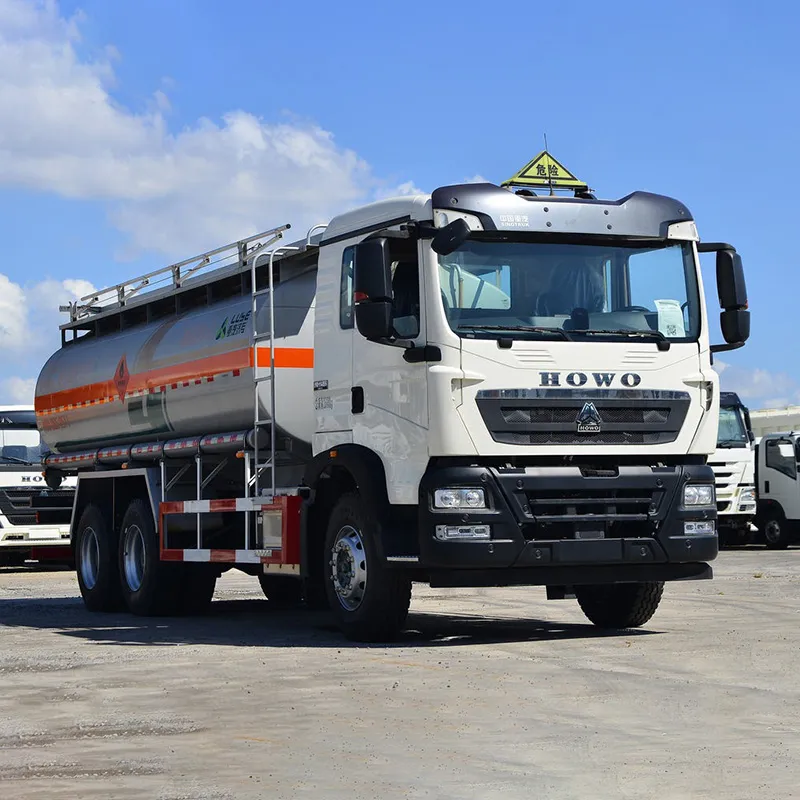
Capacity Classification by Truck Type
The intended application dictates the engineering of the tank, which in turn determines its safe carrying capacity.
| Tank Truck Type | Typical Capacity (Gallons) | Primary Application |
| Small Fuel Tanker | 2,000 – 4,000 | Local fuel delivery, small stations, and agriculture. |
| Medium Distribution Truck | 5,000 – 8,000 | Regional fuel distribution and mid-range logistics. |
| Heavy-Duty Fuel Tanker | 9,000 – 11,600+ | Long-haul transportation and bulk fuel supply. |
| Chemical Tanker | 3,000 – 9,000 | Industrial chemicals (capacity varies by liquid density). |
| Water Tanker | 2,500 – 10,000 | Construction, dust suppression, and municipal use. |
Critical Factors Influencing Total Capacity
To optimize payload without compromising safety or legality, manufacturers focus on four core pillars:
1. Axle Configuration and Weight Distribution
The number of axles is the primary determinant of legal payload. A 6×4 or 8×4 configuration allows for better weight distribution, enabling the chassis to support larger tanks while remaining compliant with infrastructure weight limits.
2. Advanced Material Engineering
- Aluminum Alloys: Preferred for fuel transport. Their high strength-to-weight ratio reduces the vehicle’s curb weight, allowing for a higher liquid payload.
- Carbon Steel: Highly durable and cost-effective, though heavier, which may slightly reduce the maximum volume of liquid permitted under gross vehicle weight (GVW) limits.
3. Liquid Density and Legal Compliance
Regulations limit weight, not just volume. Because different liquids have different densities, the “fullness” of a tank may vary:
- Diesel: Approx. 7 lbs/gallon
- Water: Approx. 8.34 lbs/gallon
- Chemicals: Highly variable; heavier acids require smaller tanks to prevent axle overloading.
4. Compartmentalized Design
Modern tankers often feature multiple internal compartments.
- Versatility: Allows for the simultaneous transport of different grades (e.g., Diesel and Unleaded) in one trip.
- Stability: Internal bulkheads act as baffles, reducing “liquid surge” during braking and cornering.
Case Study: The Heavy-Duty 6×4 Fuel Tanker
A typical heavy-duty tanker built on a 6×4 chassis generally averages between 8,000 and 10,000 gallons. These workhorses are engineered for the demanding long-haul sector, featuring:
- Reinforced tank bodies for structural longevity.
- High-performance pumping systems for rapid loading/unloading.
- Enhanced braking and stability systems to manage shifting liquid loads.
Strategic Selection: Choosing the Right Capacity
Selecting truck international for sale the optimal capacity is a balance between operational costs and revenue potential:
- Urban & Local Delivery: Focus on 2,000–4,000 gallon models. These provide the maneuverability needed for tight city streets and frequent stops.
- Regional Networks: The 5,000–8,000 gallon range offers the best ROI for mid-distance distribution.
- Long-Distance Logistics: Maximize efficiency with 9,000+ gallon heavy-duty configurations to reduce the number of trips and lower per-gallon transport costs.
Conclusion
A tank truck’s capacity is a vital metric that directly impacts operational profitability. Whether you are transporting fuel, water, or industrial chemicals, the key is to balance volume with regulatory compliance.
Expert Recommendation: Always consult with a professional tank truck manufacturer to align your vehicle’s axle configuration and tank material with your specific cargo density and local road laws. Proper planning ensures a vehicle that is not only high-capacity but also safe, durable, and cost-efficient.