What Is a Reefer Trailer and How Does It Maintain Temperature for Cold Chain Transport?
March 30, 2026
A reefer trailer (refrigerated semi-trailer) is a sophisticated, climate-controlled environment designed to protect temperature-sensitive cargo such as perishables, pharmaceuticals, and high-value florals. Unlike standard dry vans, reefers are thermal envelopes engineered to maintain a precise internal atmosphere, ranging from -25°C to +25°C, regardless of external weather conditions.
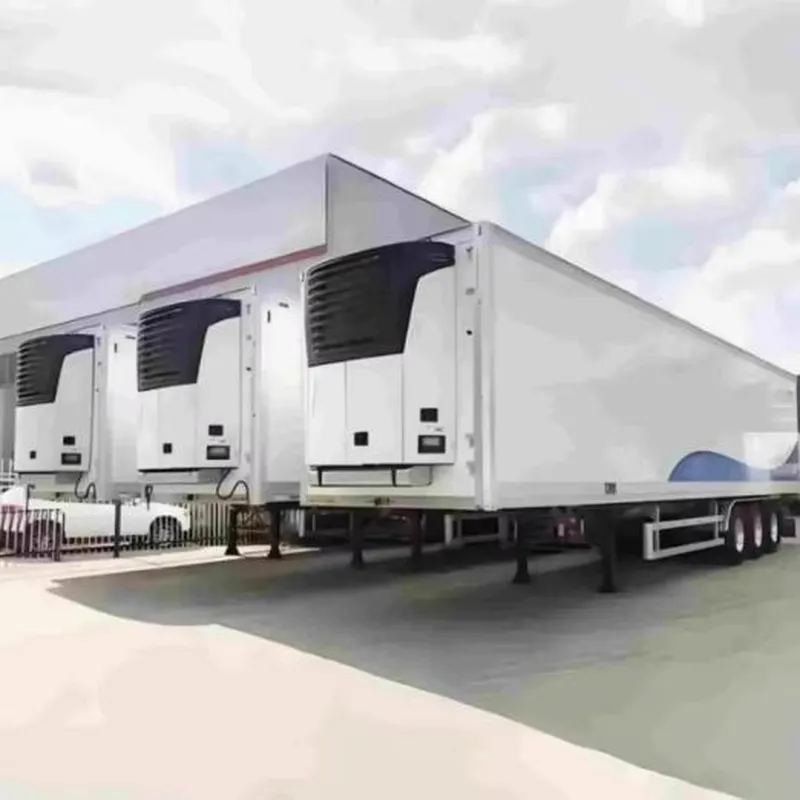
How a Refrigerated Trailer Operates
It is a common misconception that reefers “cool down” cargo. In reality, Refrigerated semi trailer are designed to maintain the existing temperature of pre-cooled goods by removing heat that enters the trailer.
- Airflow Dynamics: Chilled air is forced across the ceiling (often through flexible air chutes) and returns via T-channel floors. This 360-degree circulation prevents “hot spots” and ensures the core temperature of the cargo remains stable.
- Thermal Insulation: Walls are typically constructed with high-density polyurethane foam sandwiched between fiberglass or metal skins. This prevents thermal bridging and odor absorption.
- The Refrigeration Unit (TRU): Mounted on the front of the trailer, the unit consists of a compressor, a condenser, and an evaporator. It is usually powered by a dedicated small diesel engine or, increasingly, by electric battery systems.
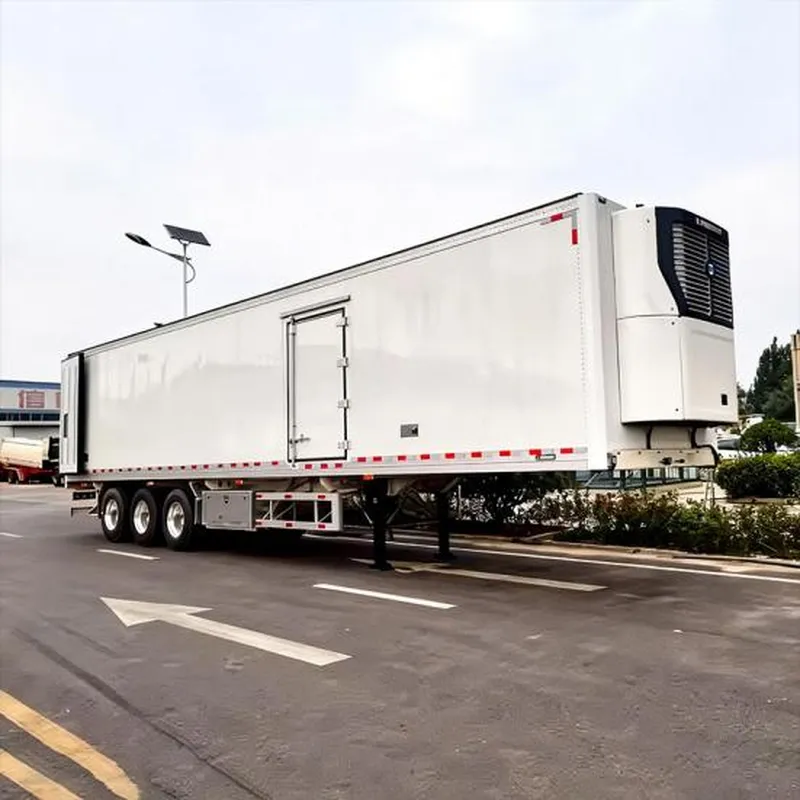
Strategic Temperature Standards by Industry
Different commodities require specific “set points” to prevent spoilage, bacterial growth, or pharmaceutical degradation.
| Cargo Category | Temperature Range | Typical Application |
| Deep Frozen | -25°C to -18°C | Ice cream, frozen seafood, and meats. |
| Chilled/Fresh | 0°C to 4°C | Dairy, fresh poultry, and meat. |
| Floral/Produce | 0°C to 2°C | Cut flowers and leafy greens (requires humidity control). |
| Pharma/Vaccines | 2°C to 8°C | Life-saving vaccines and sensitive biologicals. |
| Tropical Produce | 13°C to 14°C | Bananas and tomatoes (prevents chilling injury). |

Key Advantages of Modern Reefer Technology
- Sustainability: New electric models, such as the Schmitz Cargobull S.KOe COOL, utilize generator axles to recharge batteries while driving, potentially saving 200 liters of diesel per week.
- Multi-Zone Capability: Advanced Cold storage trailer can be divided into sections with internal bulkheads, allowing a single trailer to carry frozen and chilled goods simultaneously.
- Regulatory Compliance (FSMA): Modern units include integrated data loggers. In the event of an audit, carriers can provide a 12-month history of temperature stability.
- Telematics Integration: Fleet managers can monitor fuel levels, battery health, and real-time internal temperatures remotely, receiving instant alerts if a “temperature excursion” occurs.

Buying Strategy: Selecting a Refrigerated Trailer Manufacturer
When sourcing a refrigerated trailer, prioritize integration over assembly.
- Integrated Design: Manufacturers that produce both the trailer body and the refrigeration unit (such as Schmitz Cargobull or Carrier-integrated systems) tend to offer better thermal efficiency and streamlined maintenance.
- Insulation Density: Verify the “K-value” (thermal transmittance). High-quality polyurethane insulation is the industry standard for balancing cost and weight.
- Electric Readiness: As emission zones expand, consider units with electric-standby or all-electric configurations to future-proof your fleet.
Essential Maintenance & Loading Best Practices
To ensure cold chain integrity and prevent costly “load loss” claims:
- The Pre-Cooling Rule: Never load cargo into a warm trailer. Run the unit for 30-60 minutes until it reaches the set point before opening the doors for loading.
- Airflow Obstructions: Ensure a minimum 48-inch clearance between the evaporator and the cargo. Blocked inlets are the leading cause of “short-cycling” and localized spoilage.
- Seal Audit: Inspect rear door gaskets daily. Even a minor tear can force the refrigeration unit to run at maximum capacity, increasing fuel costs and wear.
- Mode Selection: Use Continuous Mode for high-respiration cargo (like fresh produce) and Cycle/Sentry Mode for frozen goods to optimize fuel efficiency.
Frequently Asked Questions About Reefer Trailers
What is the difference between a reefer and a dry van trailer?
Refrigerated trailers differ from dry vans in construction and capability. Reefers feature insulated walls, ceiling, and floors made of metal or fiberglass rather than wood, improving insulation and preventing odor absorption . They weigh more due to heavier construction and the refrigeration unit, reducing maximum payload capacity. Dry vans last longer—refrigeration units typically require replacement or major repair after several years of continuous operation .
How cold can a reefer trailer get?
Standard reefer trailer temperature ranges typically span from -20°F to 80°F, depending on the unit and cargo requirements . Most units operate effectively between -10°F and 60°F, covering everything from frozen goods to temperature-sensitive pharmaceuticals. Specialized units for cryogenic applications can reach -85°F or lower . Frozen products generally require -13°F to 0°F, while pharmaceuticals may need precise 35-46°F ranges .
Can a reefer trailer both cool and heat?
Yes, reefer trailers maintain temperature in both directions. While commonly used for cooling, they can also provide heat during winter months to protect temperature-sensitive products from freezing . The system maintains the set point regardless of external conditions, ensuring cargo arrives at the specified temperature.
How long does a reefer trailer refrigeration unit last?
Refrigeration unit lifespan depends on usage intensity and maintenance quality. Continuous operation in demanding applications may require replacement or major overhaul after 5-8 years. With proper maintenance, the trailer structure itself lasts 15-20 years or longer, often receiving new refrigeration units during its service life .
What is a downloadable reefer?
A “downloadable reefer” has the ability to record and store temperature data from the trailer, similar to an ELD for the refrigeration unit . FSMA requires refrigerated trailers to have temperature recording equipment. Carriers must store this information for up to 12 months and produce readings upon request. This capability helps determine if product damage occurred during transit and protects compliant carriers against liability claims .
What is an air chute and why is it important?
An air chute (trailer chute) is a flexible air duct connected to the refrigeration unit that runs along the trailer ceiling . When inflated, chutes work with floor channels to distribute chilled air evenly throughout the trailer. They prevent top-freezing (damage to products near the airflow source), eliminate hot spots (pockets cut off from cooled air), and reduce short-cycling (uneven temperatures from poor airflow) .
How do electric reefer trailers work?
Electric reefers replace diesel-powered refrigeration with battery systems and electric generator axles . The axle generates electricity during movement, storing energy in batteries for use when stationary. This system eliminates diesel consumption and emissions while maintaining full cooling capacity. Operators report saving approximately 200 liters of diesel weekly compared to standard units .
What maintenance does a reefer trailer require?
Daily pre-trip inspections check condenser grilles, evaporator drains, fuel levels, and door seals . Regular cleaning prevents debris buildup affecting performance. Periodic professional maintenance includes refrigerant level checks, component wear inspection, and calibration verification. Temperature recording systems require regular data download and verification .
Looking for quality reefer trailers for sale? Contact Shandong Global Diamond Automobile Technology Co., Ltd. today for professional guidance and competitive pricing on new and reconditioned refrigerated semi trailers ready for worldwide delivery. Our team helps you select the right configuration for your specific cold chain transport needs.